
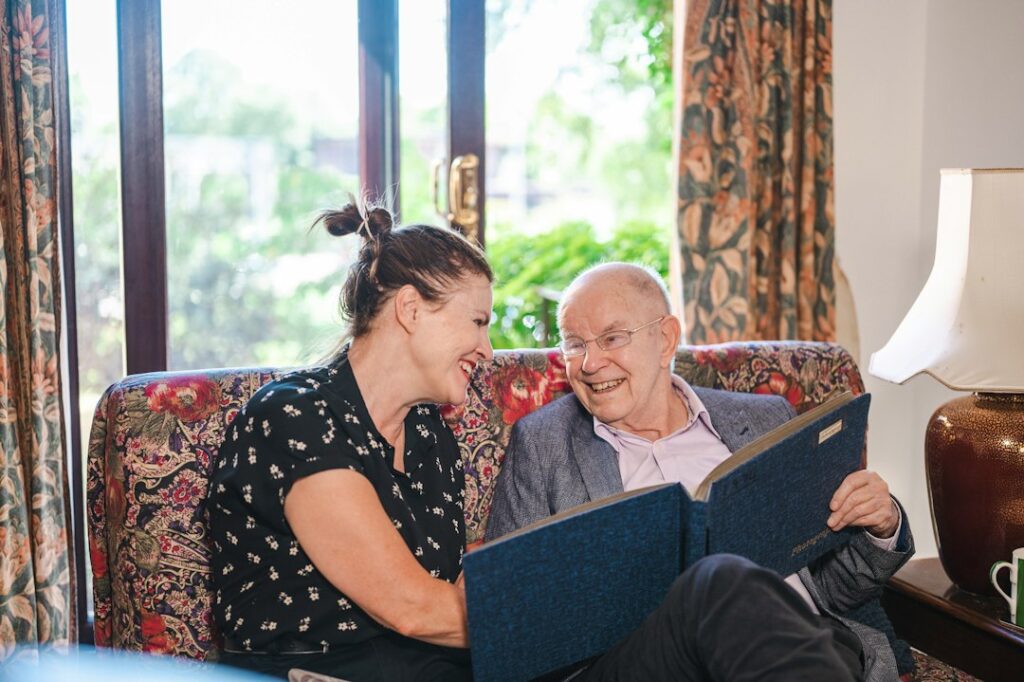
Assisted living staff support residents by helping with daily routines, monitoring changing needs, promoting safety, and coordinating services while preserving as much independence as possible. The goal is not to take over every task. Good support is tailored to what a resident can do safely and what assistance is needed on a particular day.
In Pennsylvania, assisted living residences are residential settings rather than nursing homes. They provide personal care, assistance, and supervision, while additional health services may be arranged when a resident needs them. The exact services and staffing model vary by residence, so families should review the written service plan and residency agreement carefully.
What do assisted living staff help residents with?
Staff commonly assist with activities of daily living, household routines, and health-related coordination. The level of help should be based on an assessment of the resident’s abilities, preferences, and risks.
Support may include:
- Bathing, grooming, dressing, and personal hygiene
- Walking, transferring, or using mobility equipment
- Toileting and continence care
- Eating, drinking, and following special diet instructions
- Medication reminders or medication administration, depending on staff qualifications and state requirements
- Laundry, light housekeeping, and keeping personal areas orderly
- Transportation coordination for appointments or community activities
- Communication with family members, health care providers, and other authorized contacts
Assistance should be provided respectfully. Staff may offer step-by-step prompts, set up supplies, or provide hands-on help only where needed. This approach can help residents maintain skills and confidence rather than becoming unnecessarily dependent.
How is a resident’s care organized?
A resident’s needs are generally documented in an assessment and support plan. This plan describes the assistance required, safety concerns, personal preferences, routines, and services the residence will provide or coordinate.
For example, one resident may need help choosing appropriate clothing and fastening buttons but may be able to dress independently. Another resident may need hands-on assistance with bathing because of balance concerns. A third person may need reminders to attend meals or activities but no physical assistance.
Support plans should not be treated as permanent. Needs can change after an illness, fall, hospitalization, medication change, or decline in memory. Families and residents should ask how often plans are reviewed and how changes are communicated.
A useful question is: “What happens if the resident begins needing more help than the current plan provides?” The answer should explain reassessment, communication, possible added services, and any limits on what the residence can safely provide.
How do staff protect resident safety?
Safety support often happens through routine observation rather than constant medical monitoring. Staff may notice that a resident is walking less steadily, skipping meals, appearing unusually tired, or becoming confused at a time of day when confusion was not previously present.
Staff may help reduce risks by:
- Keeping walkways clear
- Encouraging safe footwear and proper use of mobility aids
- Offering assistance with transfers
- Watching for changes in appetite, hydration, mood, or alertness
- Following emergency and evacuation procedures
- Reporting falls, injuries, or concerning changes
- Coordinating follow-up with authorized family members or health care providers
McMurray’s seasonal conditions can also affect daily routines. Cold weather, snow, ice, shorter daylight hours, and wet entryways may increase fall risks or make outside appointments more difficult. Residents and families can ask how staff handle winter entry areas, transportation delays, missed activities, and emergency communication during severe weather.
Assisted living staff are not a substitute for emergency medical care. Chest pain, severe breathing difficulty, serious injury, sudden weakness, or other urgent symptoms require emergency evaluation.
Do assisted living staff provide nursing care?
The answer depends on the residence, the staff member’s credentials, and the resident’s needs. Assisted living residences are not the same as skilled nursing facilities, and not every residence has nurses available around the clock.
Some residences employ or contract with licensed nurses. Others coordinate supplemental health care services, such as home health, therapy, hospice, or visiting clinical support, through separate arrangements. Direct care staff may assist with routine personal care and certain medication tasks if they have completed required training and are permitted to perform them.
Families should ask specific questions instead of relying on the general term “assisted living”:
- Is a nurse present on every shift?
- Who manages medication administration?
- Can staff monitor blood glucose or provide wound care?
- What happens after a hospital discharge?
- Which services are included in the residency agreement?
- Which services are separate or provided by outside professionals?

Clear answers help prevent misunderstandings about what staff can and cannot do.
How do staff support memory loss and changing behavior?
Residents with memory impairment may need more than reminders. Staff can support them by using consistent routines, simple directions, familiar activities, and calm redirection. They may also watch for triggers such as fatigue, hunger, pain, overstimulation, or unfamiliar surroundings.
A resident who repeatedly asks the same question may be seeking reassurance rather than information. Staff can respond calmly, avoid arguing, and use visual cues or predictable schedules. If confusion or behavior changes suddenly, staff should consider possible illness, medication effects, dehydration, pain, or another health problem rather than assuming the change is simply part of dementia.
Some residences have special care areas or programs with additional training, security, and service-planning requirements. Families should ask what level of memory support is available and what changes would require a different setting.
How do staff support independence and dignity?
Helpful staff do not measure success by how many tasks they perform. They encourage residents to make choices and participate in routines whenever it is safe.
A resident may choose clothing, decide whether to attend an activity, arrange personal belongings, or help set a dining table. Staff may provide extra time, adaptive equipment, verbal prompts, or standby assistance to make participation possible.
Privacy and dignity also matter. Personal care should be provided discreetly, with doors or curtains used appropriately and explanations given before hands-on assistance. Residents should be treated as adults with preferences, rights, and control over ordinary daily decisions.
A family member can learn a great deal by asking the resident how staff speak to them, whether requests are answered promptly, and whether the resident feels heard.
How should families communicate with staff?
Regular, specific communication is more useful than waiting for a crisis. Families should share information about routines, food preferences, mobility changes, communication needs, sleep patterns, and known triggers.
It is helpful to identify:
- The correct contact for routine questions
- The person who should be notified about changes or incidents
- How medication or appointment updates are documented
- How families receive care-plan updates
- What residents should do if they have a concern or complaint
Residents have the right to raise concerns without being ignored or treated unfairly. If a problem is not resolved through normal communication, families can review the residence’s complaint process and seek guidance through Pennsylvania’s long-term care oversight resources.
The most reliable measure of staff support is whether assistance is consistent, respectful, responsive, and matched to the resident’s actual needs. A strong care relationship combines safety with choice, practical help with independence, and regular communication with honest planning.
